Call us now :07971189547
 Send Inquiry
 Send Inquiry
Blank Moulds
Blank Moulds Specification
- Surface Treatment
- Polished
- Technology
- Conventional
- Control System
- None
- Features
- Durable Precise Dimensions
- Machine Type
- Blank Mould Machine
- Automation Grade
- Manual
- Accessories Type
- Moulds
- Accuracy
- High
- Power Source
- None
- Type
- Blank Mould
- Material
- Steel
- Function
- Shaping Blank Structures
- Application
- Industrial
About Blank Moulds
Manufactured by SBM Engineering, Blank Moulds are precision-engineered industrial moulds designed to deliver superior performance, dimensional accuracy, and long operational life in demanding manufacturing environments. These moulds are widely used in industrial production processes where consistency, durability, and high-quality output are essential.
Built using premium-grade raw materials and advanced machining technology, SBM Engineerings Blank Moulds ensure excellent strength, smooth finishing, and resistance to wear and thermal stress. The moulds are carefully designed to support high-speed production while maintaining product uniformity and reducing operational downtime.
SBM Engineering focuses on delivering customized industrial mould solutions that meet the exact requirements of various manufacturing sectors. Each mould undergoes strict quality inspection to ensure reliable performance, precision engineering, and long-lasting functionality.
Product Features
- High dimensional accuracy
- Robust and durable construction
- Excellent surface finishing
- Corrosion and wear resistance
- Precision-machined for consistent output
- Suitable for heavy industrial applications
- Low maintenance and long service life
- Custom sizes and specifications available
Applications of Blank Moulds
Blank Moulds are extensively used across multiple industrial sectors for shaping and manufacturing different components with precision. Common applications include:
- Glass manufacturing industries
- Industrial component production
- Packaging and container manufacturing
- Engineering and fabrication units
- High-volume industrial forming processes
- Precision moulding operations
- Automotive and machinery industries
Frequently Asked Questions (FAQs)
1. What are Blank Moulds used for?
Blank Moulds are used in industrial manufacturing processes to shape and produce components with precision and consistency. They are commonly used in glass, engineering, and fabrication industries.
2. Are SBM Engineering Blank Moulds customizable?
Yes, SBM Engineering offers customized Blank Moulds based on client specifications, dimensions, and industrial requirements.
3. What materials are used to manufacture Blank Moulds?
The moulds are manufactured using high-quality industrial-grade materials that provide strength, durability, and resistance to wear and heat.
4. How do Blank Moulds improve production efficiency?
These moulds ensure accurate shaping, reduce material wastage, maintain production consistency, and minimize downtime during manufacturing operations.
5. Why should I choose SBM Engineering for industrial moulds?
SBM Engineering provides precision-engineered moulds with superior quality, reliable performance, customization options, and long service life suitable for demanding industrial applications.
Precision and Durability for Industrial Needs
Our blank moulds are engineered with high accuracy and polished surfaces, resulting in durable products that meet the stringent demands of industrial operations. The use of steel not only enhances longevity but also ensures reliable shaping for varied blank structures.
Manual Operation with Conventional Technology
These moulds are manually operated, making them suitable for industries that value hands-on control and adaptability. Conventional technology means fewer complexities while maintaining quality, ideal for situations where automation is unnecessary.
FAQ's of Blank Moulds:
Q: How are these blank moulds typically used in industrial settings?
A: These blank moulds are used for shaping blank structures in manufacturing and industrial processes. Operators manually pour or press materials into the mould to achieve specific forms and dimensions required for further processing or assembly.Q: What benefits do polished and high-accuracy moulds offer over standard moulds?
A: A polished surface treatment ensures minimal material adherence and easier release, enhancing production efficiency. High-accuracy construction guarantees precise dimensions, reducing the need for post-processing and improving final product consistency.Q: When is it recommended to use manual, non-automated blank moulds?
A: Manual blank moulds are ideal when flexibility in operation, greater control, or lower production volumes are needed. They are also preferred when the investment in automation is not justified, or for prototyping and custom manufacturing.Q: Where are these blank moulds most commonly supplied from?
A: These blank moulds are manufactured and supplied in India, catering to a wide range of industries seeking durable and precise industrial moulding solutions.Q: What is the process for shaping blank structures with this mould?
A: The process involves placing the chosen material into the mould cavity, then manually applying pressure or taking necessary steps to form the desired shape. Once formed, the moulded structure is removed after cooling or setting.Q: How does using steel as the material benefit the blank mould?
A: Steel provides exceptional durability, resistance to wear, and maintains dimensional stability over time, making it ideal for repeated industrial use. It also withstands high temperatures and pressures common in moulding applications.Q: What kind of industries can benefit from using these blank moulds?
A: Any industrial sector requiring precise, repeatable shaping processes-such as metalworking, plastics, or ceramics-can benefit from these blank moulds, especially where manual operation and high accuracy are priorities.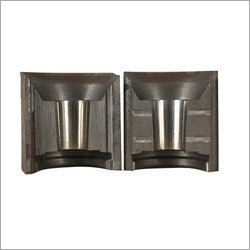
Tell us about your requirement

Price:
Quantity
Select Unit
- 50
- 100
- 200
- 250
- 500
- 1000+
Additional detail
Mobile number
Email

More Products in Industrial Mould Category
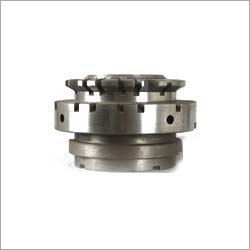
Cavity Metalized Cooling Fins
Application : Cooling Systems
Machine Type : Industrial Cooler
Features : Metalized for enhanced heat dissipation
Automation Grade : Manual
Function : Heat management and cooling
Accuracy : High
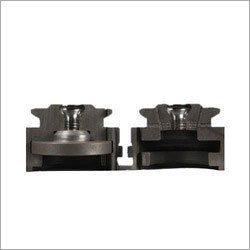
Cavity Metalised D Gneck Ring
Application : Industrial molding
Machine Type : Moulding machine accessory
Features : Durable Precise design
Automation Grade : SemiAutomatic
Function : Moulding metalized cavities
Accuracy : High
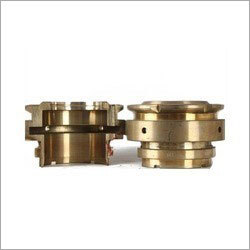
Press And Blow Neck Ring
Application : Glass Manufacturing Process
Machine Type : Press and Blow Machine
Features : Durable High Precision
Automation Grade : SemiAutomatic
Function : Forming Glass Neck
Accuracy : High
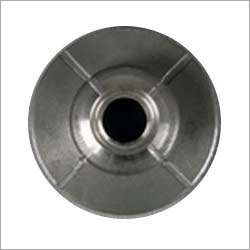
Cavity Metalised Guide Ring
Application : Industrial Machinery
Machine Type : Various industrial machines
Features : Metalised surface for durability
Automation Grade : Manual
Function : Guiding mechanism
Accuracy : High

 Send Inquiry
Our Products

870/12, GIDC Industrial Estate, Makarpura,Vadodara - 390010, Gujarat, India

Mr Ramanlal D. Mistry
(Proprietor)
Mobile :07971189547
 Send Inquiry
 Send SMS
Developed and Managed by Infocom Network Private Limited.
